
Medicare changes 2026 are important for anyone enrolled in Original Medicare, Medicare Advantage, or a Part D prescription drug plan. Each year, Medicare updates premiums, deductibles, drug coverage rules, and plan benefits. Even small adjustments can affect your monthly costs or what you pay when you visit a doctor.
Many people are asking: what changes are coming to Medicare in 2026? The answer depends on the part of Medicare you use: Part A (hospital coverage), Part B (doctor and outpatient services), Part D (prescription drugs), or Medicare Advantage plans.
This guide explains the 2026 Medicare changes in a clear and simple way. We’ll break down updates to costs, coverage, and enrollment rules so you understand what may impact your budget and what steps to take before making any plan decisions.
What’s Changing in Medicare for 2026
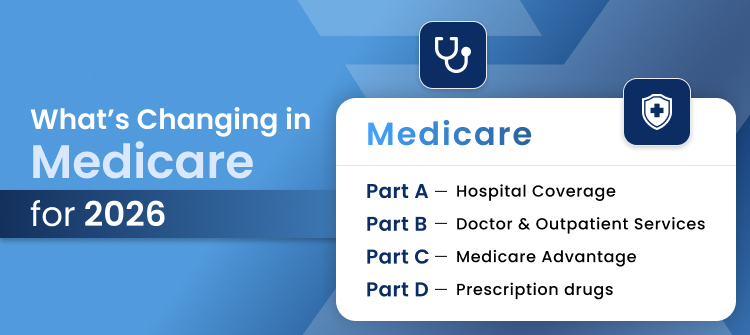
Each year, Medicare updates certain costs and plan rules. The Medicare changes for 2026 may affect how much you pay each month, how your prescription drugs are covered, and what benefits are included in Medicare Advantage plans.
When people search for 2026 Medicare changes or changes in Medicare for 2026, they usually want to know three things:
- Will premiums increase?
- Will my drug coverage change?
- Should I switch plans?
In most years, Medicare adjusts premiums and deductibles for Part A and Part B. Prescription drug plans may update their formularies (the list of covered medications), tier pricing, and pharmacy networks. At the same time, Medicare Advantage plans can change copays, provider networks, supplemental benefits, and maximum out-of-pocket limits.
These changes do not automatically mean your coverage becomes worse. However, even small plan adjustments can increase your total yearly costs if you don’t review them carefully.
The most important thing to understand about Medicare 2026 changes is this:
Your current plan may not look exactly the same next year. That’s why reviewing updated costs and benefits before enrollment deadlines is essential.
Medicare Part A Changes 2026 (Hospital Coverage)

Medicare Part A covers inpatient hospital stays, skilled nursing facility care, hospice, and some limited home health services. When reviewing changes to Medicare 2026, Part A costs are usually one of the first areas to check especially if you expect hospital care next year.
For most beneficiaries, Part A has no monthly premium if you or your spouse paid Medicare taxes for the required number of years. However, that does not mean hospital care is free. Each year, Medicare updates the inpatient hospital deductible and daily coinsurance amounts.
In 2026, the Medicare Part A inpatient hospital deductible is $1,736 per benefit period. This is the amount you must pay before Medicare begins covering inpatient hospital costs. Daily coinsurance amounts for extended hospital stays and skilled nursing facility care are also updated for 2026.
As part of the Medicare changes for 2026, you should review:
- The inpatient hospital deductible per benefit period
- Daily coinsurance for extended hospital stays
- Skilled nursing facility coinsurance after covered days
- Any updates to coverage limits for inpatient services
These adjustments may seem small, but they can significantly impact total out-of-pocket costs if you are hospitalized.
It’s also important to understand that Part A does not cover everything. Long-term custodial care, most long-term nursing home stays, and certain extended services are not fully covered. Reviewing these details helps you avoid unexpected bills.
While the 2026 Medicare changes in Part A may primarily involve cost adjustments rather than major structural changes, confirming the updated deductible and coinsurance amounts ensures you know what to expect financially before the year begins.
Medicare Part B covers doctor visits, specialist appointments, outpatient procedures, preventive care, lab tests, durable medical equipment, and many routine medical services. When people ask, how will Medicare change in 2026, they are often referring to Part B costs.
Part B typically has three key cost components that may adjust each year:
- Monthly premium
- Annual deductible
- 20% coinsurance for most outpatient services
In 2026, the standard Medicare Part B premium is $202.90 per month, and the annual deductible is $283. These updated amounts determine what beneficiaries pay before Medicare begins covering most outpatient services.
As part of the Medicare changes 2026, beneficiaries should review whether the Part B premium or deductible has increased. Even a modest premium adjustment can affect your annual budget, especially for retirees living on fixed income.
Another important area to understand is coinsurance. After meeting the deductible, most outpatient services require you to pay 20% of the Medicare-approved amount. That means specialist visits, imaging, outpatient surgeries, and certain therapies can add up quickly if you do not have supplemental coverage.
If you have a Medigap (Medicare Supplement) policy, many of these costs may be partially or fully covered. If you are enrolled in a Medicare Advantage plan, copays may differ from Original Medicare’s 20% structure.
The most practical step during the 2026 Medicare changes review is to:
- Confirm your new premium and deductible
- Understand your coinsurance exposure
- Review how your current supplemental or Advantage plan handles these costs
Part B is where most routine healthcare expenses occur, so even small updates can have a meaningful impact over the year.
Prescription drug coverage is one of the most important areas to review during the Medicare Part D changes 2026. Even if your monthly premium stays similar, changes to drug formularies, tiers, and pharmacy networks can significantly affect your total yearly costs.
One of the biggest Medicare Part D changes 2026 is the new annual out-of-pocket cap of $2,100. Once you reach $2,100 in covered prescription drug costs for the year, you will not pay more out-of-pocket for covered medications. This change provides stronger financial protection for people who take high-cost prescriptions.
In addition, the maximum Part D deductible in 2026 is $615, although some plans may choose a lower deductible.
Each year, Part D plans are allowed to adjust:
- Monthly premiums
- Annual deductibles
- Drug formularies (the list of covered medications)
- Tier placement of drugs
- Preferred pharmacy networks
- Prior authorization requirements
When reviewing Medicare Part D 2026 changes, the most critical factor is not just the premium it is whether your medications are still covered and at what tier. If a drug moves from a lower-cost tier to a higher-cost tier, your copay or coinsurance can increase even if the plan name stays the same.
Another important update to check under the 2026 Medicare Part D changes is pharmacy status. If your preferred pharmacy is no longer considered “preferred” within the network, your out-of-pocket costs could rise.
To avoid surprises, review:
- Your full medication list
- Each drug’s tier placement
- Whether prior authorization is now required
- The estimated total annual drug cost (not just monthly premium)
For many beneficiaries, prescription costs drive the biggest differences between plans. That’s why reviewing Part D details carefully during the 2026 Medicare changes period can prevent unexpected expenses later in the year.
Medicare Advantage Changes 2026

Medicare Advantage plans are often where the most noticeable adjustments happen each year. If you are enrolled in an Advantage plan, reviewing the Medicare Advantage changes 2026 is essential before the new plan year begins.
Medicare Advantage (Part C) combines Part A and Part B coverage and often includes prescription drug coverage (Part D). Many plans also offer additional benefits such as dental, vision, hearing, fitness memberships, and over-the-counter allowances.
As part of the Medicare Advantage plans changes 2026, plans may adjust:
- Monthly premiums
- Copays for primary care and specialist visits
- Hospital and urgent care costs
- Maximum out-of-pocket limits
- Provider networks
- Drug formularies (if included)
- Supplemental benefits
One of the most important changes to Medicare Advantage 2026 to review is the provider network. If your doctor or hospital is no longer in-network, your costs could increase or you may need to switch providers.
Another area to monitor under the Medicare Advantage plans 2026 changes is the maximum out-of-pocket limit. This cap protects you from excessive annual medical expenses, so even small adjustments can affect your financial protection.
Beneficiaries should also pay close attention to Medicare Advantage supplemental benefits 2026 changes. Extra benefits like dental coverage, vision exams, hearing aids, transportation, or OTC allowances can be modified from year to year. These extras often influence plan selection, so confirm that the benefits you actually use are still included.
When reviewing the changes to Medicare Advantage plans 2026, focus on three key areas:
- Are your doctors and hospitals still in-network?
- Are your prescriptions covered at the same cost?
- Has the maximum out-of-pocket limit changed?
Answering these questions helps you determine whether staying in your current plan makes sense or whether comparing other options would better fit your needs in 2026.
Enrollment Updates for 2026: When You Can Make Changes

Understanding enrollment timelines is just as important as reviewing costs. Even if the Medicare changes for 2026 affect your premiums or benefits, you can only make adjustments during specific enrollment periods.
There are two primary windows most beneficiaries should know:
Annual Enrollment Period (AEP)
During the Annual Enrollment Period, you can:
- Switch from Original Medicare to a Medicare Advantage plan
- Change from one Medicare Advantage plan to another
- Enroll in, drop, or change a Part D prescription drug plan
- Return from Medicare Advantage to Original Medicare
This is the main opportunity to respond to the 2026 Medicare changes if your current plan no longer fits your needs.
Medicare Advantage Open Enrollment Period
If you are already enrolled in a Medicare Advantage plan, there is a separate period early in the year when you can:
- Switch to a different Medicare Advantage plan
- Return to Original Medicare (with the option to add a Part D plan)
However, you cannot switch drug plans freely during this window unless you are leaving Medicare Advantage.
When Can I Change My Medicare Supplement Plan for 2026?
Many beneficiaries ask: when can I change my Medicare supplement plan for 2026? Unlike Medicare Advantage and Part D, Medigap (Medicare Supplement) plans do not have a fixed annual enrollment window.
You can apply for a different Medigap plan at any time during the year. However, unless you qualify for a guaranteed issue right, insurers may use medical underwriting. That means approval and pricing can depend on your health status.
Because of this, it’s important to evaluate your options carefully before canceling any existing supplemental coverage.
Knowing which enrollment period applies to your situation ensures you can respond properly to the Medicare 2026 changes without missing important deadlines.
Big Changes to Medicare 2026 What It Means for You

When reviewing the big changes to Medicare 2026, the most important question is not just what changed but how those changes affect your personal situation.
Medicare updates can influence your costs in different ways depending on how you use healthcare.
If You Visit Doctors Frequently
If you see specialists often or manage a chronic condition, pay close attention to:
- Part B coinsurance and deductibles
- Specialist copays in Medicare Advantage plans
- Maximum out-of-pocket limits
Even small cost adjustments can add up over the year if you rely on regular medical care.
If You Take Multiple Prescriptions
The Medicare Part D changes 2026 may affect drug tiers, pharmacy networks, or prior authorization requirements. If a medication moves to a higher tier, your monthly drug expenses could increase significantly.
Reviewing your medication list against your plan’s updated formulary is one of the most important steps during the 2026 Medicare changes review.
If You Value Extra Benefits
Under the Medicare Advantage plans changes 2026, supplemental benefits such as dental, vision, hearing, transportation, or OTC allowances may change. These extras can influence plan value, but they should not outweigh core coverage like doctor access and drug costs.
If You Are Budget-Conscious
For retirees on fixed incomes, premium increases or deductible adjustments may require comparing alternative plans. In some cases, a slightly higher premium with lower out-of-pocket exposure may provide better financial protection.
Ultimately, the Medicare changes for 2026 are not automatically good or bad; they are adjustments that require review. The right decision depends on your healthcare usage, prescriptions, doctor preferences, and financial comfort level.
Quick 2026 Medicare Changes Checklist

Before making any decisions based on the 2026 Medicare changes, use this simple checklist to review your current coverage. A careful comparison can prevent higher costs later in the year.
1. Confirm Your Updated Premiums and Deductibles
Review the new monthly premium and annual deductible for Part B. If you’re enrolled in Medicare Advantage or Part D, check whether those premiums have changed under the Medicare changes 2026.
2. Review Your Prescription Drug Coverage
Look at your complete medication list and compare it to your plan’s updated formulary. Under the Medicare Part D changes 2026, drugs may move to different tiers, which can increase your copay or coinsurance.
3. Verify Your Doctors and Hospitals
If you are enrolled in a Medicare Advantage plan, confirm that your preferred providers remain in-network. Network adjustments are one of the most common Medicare Advantage changes 2026.
4. Check the Maximum Out-of-Pocket Limit
For Medicare Advantage members, review whether the annual maximum out-of-pocket amount has changed. This limit protects you from excessive costs during the year.
5. Evaluate Supplemental Benefits
If your plan includes dental, vision, hearing, or OTC allowances, confirm whether these benefits are still included under the changes to Medicare Advantage plans 2026.
6. Understand Your Enrollment Window
Make sure you know which enrollment period applies to you so you can respond appropriately to the Medicare changes for 2026 without missing deadlines.
Taking 20–30 minutes to complete this review can help you avoid unexpected expenses and ensure your plan still fits your needs in 2026.
FAQs: Medicare Changes 2026
1) What changes are coming to Medicare in 2026?
Medicare changes 2026 may include updates to Part B premiums and deductibles, Part D drug formularies and pricing, and Medicare Advantage plan costs, networks, and extra benefits. The exact impact depends on your plan and location, so it’s smart to review your plan details before enrollment deadlines.
2) How will Medicare change in 2026 for Medicare Advantage plans?
Medicare Advantage changes 2026 often involve provider network updates, copay adjustments for doctor visits and hospital care, changes to prescription coverage, and updates to supplemental benefits like dental, vision, hearing, OTC, and transportation. Always confirm your doctors and prescriptions are still covered.
3) Are there Medicare Part D changes in 2026 that can raise drug costs?
Yes. Medicare Part D changes 2026 commonly include formulary updates, tier changes, new prior authorization rules, and pharmacy network changes. If a medication moves to a higher tier or your pharmacy becomes out-of-network, your out-of-pocket cost may increase.
4) What should I check first when reviewing Medicare changes for 2026?
Start with three items:
- Your monthly premium and annual deductible
- Your prescription drug list against the updated formulary
- Your doctor and hospital network (especially for Medicare Advantage)
5) How do I know if my Medicare Advantage plan is changing in 2026?
Your plan typically provides an annual update explaining changes to benefits, costs, and coverage rules. Even if your plan name stays the same, Medicare Advantage plans changes 2026 can include network and copay changes, so compare the new details carefully.
6) Can I switch Medicare plans for 2026 if my costs go up?
Yes. Most people can change Medicare Advantage and Part D plans during the Annual Enrollment Period. If you’re already enrolled in Medicare Advantage, you may also have a separate window early in the year to switch plans or return to Original Medicare.
7) When can I change my Medicare supplement plan for 2026?
You can apply to change a Medicare supplement plan at any time. However, outside protected situations, insurers may use medical underwriting, which can affect approval and pricing. Avoid canceling your current plan until you know your new coverage is confirmed.
8) What is the biggest difference between Original Medicare and Medicare Advantage in 2026?
Original Medicare generally uses deductibles and 20% coinsurance for many services, and many people add a supplement plan for cost protection. Medicare Advantage plans typically use copays and have an annual maximum out-of-pocket limit, but they may have provider networks and referral rules.
9) Do Medicare enrollment dates change in 2026?
Enrollment periods usually follow the same yearly structure, but plan details can change. The best approach is to review the official enrollment windows and your plan updates early so you have time to compare options.
10) Should I change my Medicare plan in 2026?
You may consider switching if your premium increased, your prescriptions are no longer covered the same way, your doctor is out-of-network (for Medicare Advantage), or your out-of-pocket maximum went up. If none of these changed and your plan still fits your needs, staying put may make sense.
11) What Medicare Advantage supplemental benefits might change in 2026?
Medicare Advantage supplemental benefits 2026 changes can involve dental coverage amounts, vision allowances, hearing benefits, OTC credits, fitness programs, transportation, or meal benefits. These extras vary by plan and may change year to year.
12) How do I compare Medicare plans for 2026 the right way?
Compare plans using this order:
- Doctors/hospital access (network)
- Prescription drug coverage (formulary + tiers)
- Total yearly costs (premium + copays + deductibles + max out-of-pocket)
- Extra benefits (dental/vision/OTC)
Conclusion
The Medicare changes 2026 may look different depending on whether you use Original Medicare, a Medicare Advantage plan, or a Part D prescription drug plan. What matters most is how these updates affect your real costs and access to care for your monthly premium, your prescriptions, your doctors, and your maximum out-of-pocket exposure.
A smart approach is to review your plan details early, compare total yearly costs (not just the monthly premium), and confirm that your providers and medications are still covered the way you expect. This is especially important if you notice changes in copays, networks, or drug tiers, since those often create the biggest surprises.
If you want help comparing plan options based on your needs, you can use AHiX Marketplace to review Medicare Advantage and prescription drug choices and narrow down options that fit your budget and coverage priorities.