
Why International Health Insurance Costs Matter
When you’re planning to live, work, or retire abroad, one of the biggest questions that comes up is,
“How much will international health insurance cost me?”
It’s an important question and one that deserves a clear answer. Healthcare costs around the world can vary dramatically. A short hospital stay in Thailand might cost a few hundred dollars, while the same treatment in Singapore or the U.S. could reach thousands. Without the right international health insurance plan, you could end up paying those expenses out of pocket.
That’s why understanding how international health insurance works and what affects its cost is essential before you make a move. These plans are designed to give global citizens, expats, students, digital nomads, and retirees access to quality care anywhere in the world, without financial stress.
But here’s the catch: the cost isn’t one-size-fits-all.
It depends on several factors, like your age, destination country, coverage level, and even whether you include or exclude U.S. healthcare (which can significantly affect premiums).
This guide breaks down everything you need to know, from what international health insurance covers to how you can manage costs and choose the right plan confidently.
Before you move abroad, speak with an AHiX expert.
We’ll help you compare international health insurance plans and find the one that gives you the best protection for your budget.
What Is International Health Insurance, and Who Needs It?

Before diving deeper into costs, it’s important to understand what international health insurance actually is and who truly benefits from it.
Unlike short-term travel insurance, which covers emergencies for a few weeks or months, international health insurance (sometimes called global medical insurance) is designed for people living abroad for longer periods, usually a year or more. It covers both emergency and routine healthcare across multiple countries, ensuring that you’re protected wherever life takes you.
These plans are especially valuable for:
- Expats and digital nomads living or working abroad full-time
- Students studying overseas for a year or longer
- Retirees relocating to another country
- Families with members living in different parts of the world
- Remote professionals or business owners working internationally
When you live abroad, you might not qualify for the local public health system, and private healthcare can be costly without insurance. An international policy gives you the freedom to:
- Choose any hospital or doctor within a wide international network
- Access private medical facilities with shorter wait times
- Receive worldwide coverage, including emergency evacuation or repatriation
- Continue your coverage even if you move to another country
Simply put, international health insurance acts as a personal safety net. It follows you across borders, giving you the peace of mind that you’ll always get care when you need it most.
Now that you know who international health insurance is for, let’s explore the question everyone asks first. What does it actually cost?
Average Cost of International Health Insurance in 2025
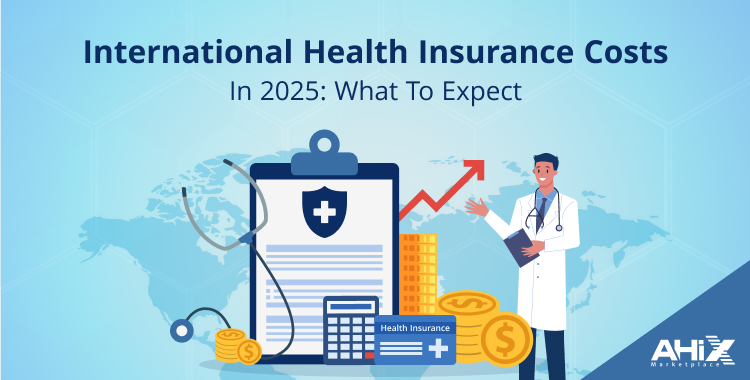
When you’re planning for global health coverage, one of the first questions is, “How much will this actually cost?”
It’s a question that matters because premiums vary widely, and knowing the range gives you a realistic budget mindset before you begin comparing plans.
What the Data Shows
Based on current industry research, here are typical cost benchmarks for international health insurance:
- For individuals, expect somewhere around US $2,000 to US $6,500 per year, with an average in many cases around US $5,000–6,000. For example, one provider listed an individual average premium of US $2,517 in 2023
- For families, you’re looking at higher spending, often US $6,000 to US $20,000+ per year, depending on the number of dependents, region, and coverage level
- For policies that include the U.S. or very high-cost regions (e.g., Hong Kong, Singapore), annual premiums can reach US $10,000 or more for an individual.
Here’s a simplified comparison table to guide you:
| Plan Tier | Approx. Annual Cost (Individual) | Coverage Characteristics |
| Basic | US $2,000 – US $4,000 | Emergency & hospitalization only, limited add-ons |
| Comprehensive | US $4,000 – US $6,500 | Routine outpatient care, broader provider access |
| Premium/Worldwide | US $6,500 + | Top-tier benefits, including U.S./global coverage and add-ons like maternity/dental |
Why These Ranges Matter
By setting these benchmarks, you can compare whether a quoted premium is in line with market expectations. If one insurer offers an individual plan for US $1,200/year, it may seem cheap, but you’ll want to scrutinize what’s included (or excluded). On the other hand, a US$8,000/year premium might include much broader protection and global access.
Keep in Mind
- These ranges assume decent health and standard age profiles. If you’re older or have health conditions, expect higher costs.
- The region and whether U.S. coverage is included dramatically affect pricing; more on that in the next sections.
- What looks like a “good deal” may cut corners in provider networks, exclusions, or service levels.
Key Factors That Influence International Health Insurance Costs
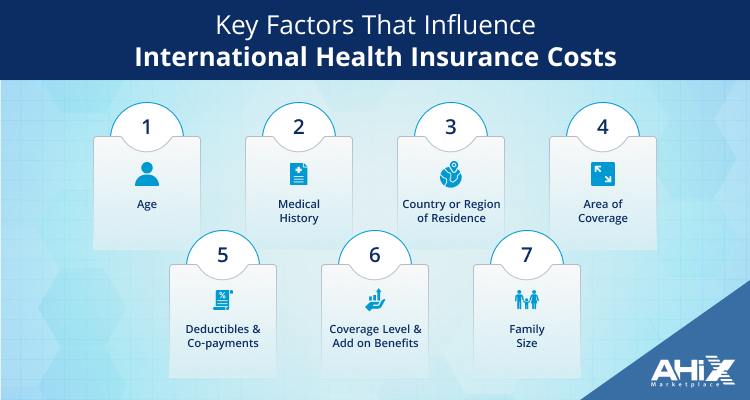
Why do some people pay $2,500 a year for international health insurance while others pay over $10,000?
The difference usually comes down to a few key factors that shape your premium and coverage.
Let’s look at them one by one.
1. Age
Age is one of the biggest influences on cost.
Younger people generally pay lower premiums because they file fewer claims. As you get older, especially past 50, the risk of medical needs increases, and so does your annual premium.
For example, a healthy person in their 20s might pay around $2,500 per year, while someone in their 60s could pay $8,000 or more for the same coverage level.
2. Medical History
Insurers assess your health background before offering coverage.
If you have pre-existing conditions like diabetes or heart disease, some insurers might:
- Charge a higher premium,
- Exclude that condition from coverage, or
- Apply a waiting period before coverage begins.
Being transparent about your health history helps insurers match you to a suitable plan without surprises later.
3. Country or Region of Residence
Healthcare costs vary dramatically between countries.
- In Hong Kong or Singapore, private healthcare can be extremely expensive, pushing premiums higher.
- In Portugal or Thailand, costs are lower, and premiums often reflect that.
Some global insurers also classify countries into pricing zones, so where you live (or plan to live) can significantly affect your annual cost.
4. Area of Coverage
Plans that include the United States cost much more because U.S. medical care is among the most expensive in the world.
Many expats save by choosing “Worldwide excluding the U.S.” coverage, which still protects them internationally but at a much lower cost.
5. Deductibles and Co-payments
A deductible is the amount you pay before your insurance begins to reimburse you.
Opting for a higher deductible usually lowers your premium, but make sure it’s an amount you can comfortably afford in an emergency.
Similarly, co-payment options (like paying 10–20% of each claim) can reduce your overall premium but increase your out-of-pocket costs.
6. Coverage Level and Add-on Benefits
The broader your coverage, the higher the premium.
Basic plans might only include emergency and inpatient care, while comprehensive or premium plans cover:
- Outpatient visits
- Maternity, dental, or vision care
- Preventive and mental health services
- Emergency evacuation and repatriation
If you don’t need certain benefits, removing them can help reduce your costs without compromising essential protection.
7. Family Size
Adding dependents increases the total premium.
Some insurers, however, offer discounted family bundles or free coverage for young children, so it’s worth asking your broker or AHiX expert about those options.
If you’re not sure which factors matter most for your situation, an AHiX expert can review your needs and connect you with global plans that fit both your lifestyle and budget.
Average International Health Insurance Cost by Region
If you’re planning to live or work abroad, it’s helpful to see how premiums for international health insurance vary by region. Below are illustrative averages (for individuals, based on standard coverage) to guide your budgeting. Actual costs depend on your age, health status, benefits, and plan design.
| Region (Destination Country) | Approximate Annual Premium* | Key Notes |
| United States | US$7,500+ | Among the highest global healthcare costs. |
| Asia (e.g., Singapore, Hong Kong) | US$6,000–$10,000 | High private-care costs; some of the priciest abroad. |
| Europe (e.g., Spain, Portugal) | US$3,000–$5,000 | More moderate premiums: strong public systems reduce private costs. |
| Latin America (e.g., Mexico) | US$2,500–$4,000 | Lower cost of private care; good value for expats. |
| Middle East | US $5,000–$8,000 | Premium healthcare is available; costs are higher than the global average. |
*These are illustrative averages for standard individual international health insurance coverage. Family plans, older age brackets, or plans including the U.S. will typically cost more.
Why the regional differences matter
- Local healthcare cost base: If a country has high private healthcare tariffs (e.g., the U.S., Singapore), premiums will reflect that.
- Coverage area options: Choosing worldwide coverage, including the U.S, will raise the premium; excluding the U.S. often lowers it significantly.
- Regulatory & visa requirements: Some destinations require high minimum cover, pushing up cost.
- Market pricing zones: Insurers often segment countries into pricing tiers based on care cost and claim history. This impacts your quote more than you may think.
Helpful Note:
If your destination falls in a high-cost region (like the U.S. or Singapore), factor in a premium above the global average. Conversely, if you’re relocating to a lower-cost region (Latin America, some parts of Asia/Europe), you may find solid global-grade cover at a more moderate price.
If you’d like help comparing international health insurance plans for your specific destination, talk to an AHiX expert. We’ll review multiple options and help you find the best match for your destination and budget.
Cost-Saving Tips: How to Lower Your Premium Without Compromising Coverage

When it comes to international health insurance, price matters, but so does peace of mind. The goal isn’t to find the cheapest plan possible, but the best value for your situation. Here are smart, realistic ways to manage your premium without losing important protection.
1. Exclude U.S. Coverage (If You Don’t Need It)
Plans that include U.S. healthcare are the most expensive worldwide.
If you don’t live or travel there frequently, you can save anywhere from 30% to 50% by choosing a “Worldwide excluding the U.S.” option.
You’ll still have access to international hospitals in most other countries at a fraction of the cost.
2. Adjust Your Deductible and Co-Payment Wisely
Increasing your deductible (the amount you pay before your insurer reimburses you) can lower your monthly premium.
Just make sure it’s an amount you can comfortably afford in case of an emergency.
For instance, choosing a $2,000 deductible instead of $500 can cut annual costs by up to 20%, depending on your insurer.
3. Compare Multiple Insurers Before You Buy
No two global health plans are priced the same.
Premiums can vary by thousands of dollars for similar benefits, so comparison really does pay off.
At AHiX Marketplace, we compare leading insurers and help you understand which ones offer the best combination of cost, benefits, and reliability for your region.
4. Choose Benefits You’ll Actually Use
It’s tempting to select a premium plan with every add-on, maternity, dental, vision, wellness, and more, but if you won’t use them, you’re paying extra for nothing.
Instead, focus on the benefits you truly need based on your stage of life and destination.
5. Pay Annually Instead of Monthly
Many insurers offer a discount (usually 3–5%) when you pay your annual premium in full.
If you can afford it, this is an easy way to reduce overall cost without changing your coverage level.
6. Review and Reassess Every Year
Your needs and health situation may change, and so do insurer prices.
Review your plan each renewal period to make sure it still fits your budget and travel plans.
Sometimes, switching to a newer or region-specific plan can save you hundreds each year.
Looking for ways to balance coverage and cost?
An AHiX expert can review your travel plans and connect you with global insurers offering reliable protection at fair rates.
The Real Cost of “Cheap” Global Health Plans
When researching international health insurance, it’s easy to focus on price first. After all, two plans may look identical online, one at $2,500/year and another at $5,000/year, so why not choose the cheaper one?
The answer: Because the cheaper option might cost you far more when you actually need care.
Hidden Costs Behind Low-Premium Plans
Budget-friendly plans often come with trade-offs that aren’t obvious until a claim is filed. Here are the most common ones:
- Limited hospital networks: You may only be covered at certain clinics or hospitals, often excluding high-quality international facilities.
- High out-of-pocket limits: Low premiums often mean you’ll pay thousands upfront before coverage begins.
- Exclusions and sub-limits: Some policies cap coverage for specific treatments like cancer, maternity, or emergency evacuation.
- No direct billing or Guarantee of Payment: In countries like Singapore or Dubai, that means you might have to pay hospital bills in advance and wait for reimbursement.
- Pre-existing condition restrictions: Some low-cost plans won’t cover long-term conditions or ongoing medication.
These limitations can turn an affordable plan into a financial burden when medical emergencies arise abroad.
Why Quality Coverage Matters
Comprehensive international plans may look more expensive on paper, but they protect you where it matters most:
- Immediate access to top global hospitals
- 24/7 emergency assistance
- Coverage for chronic and critical conditions
- Predictable out-of-pocket costs
With the right plan, you don’t just buy coverage, you buy confidence that medical emergencies won’t derail your finances or your stay abroad.
The Balance Between Cost and Value
The goal isn’t to buy the most expensive policy, but the right one.
At AHiX Marketplace, we help you compare plans not just by price, but by what they truly offer, so you can see which plan provides the best value for your money.
Before you commit to an international plan that looks too good to be true, connect with an AHiX advisor. We’ll walk you through your options and highlight the real coverage differences so you can make a confident, informed choice.
How to Choose the Right International Health Plan for Your Needs

Choosing an international health plan can feel complicated, especially when every insurer promises “comprehensive global coverage.”
But the best plan for you depends on your lifestyle, destination, and health priorities. Here’s a simple framework to make the process clearer.
Step 1: Define Your Coverage Area
Start by identifying where you’ll need protection.
- Worldwide coverage (including the U.S.) – best for frequent travelers or dual residents.
- Worldwide excluding the U.S. – suitable for expats or remote workers who don’t plan to visit the U.S. often.
- Regional or country-specific – ideal for long-term stays in one location, such as Europe-only or Asia-only coverage.
The right area helps you balance cost and protection, avoiding unnecessary premiums for countries you won’t visit.
Step 2: Decide on Your Coverage Level
Most international insurers offer three tiers of plans:
- Basic: Covers inpatient and emergency care only.
- Comprehensive: Adds outpatient, prescription, and preventive care.
- Premium: Includes maternity, dental, vision, and wellness benefits.
If you’re young, healthy, or on a budget, start with a comprehensive plan and add extras later if needed.
Step 3: Review Key Benefits and Limits
Before choosing, review:
- Maximum annual coverage limit
- Hospital network access
- Emergency evacuation or repatriation coverage
- Chronic or pre-existing condition terms
- Mental health and telemedicine benefits
This ensures you aren’t surprised by exclusions later, especially if you’re relocating to a country with high medical costs.
Step 4: Check the Insurer’s Global Support
The best insurers offer:
- 24/7 multilingual support
- Direct billing with major international hospitals
- Guarantee of Payment during emergencies
- Fast claim turnaround times
This service is what makes true international coverage different from domestic plans.
Step 5: Compare Multiple Plans Side by Side
Instead of buying the first quote you see online, compare at least 3–5 providers for the same coverage level.
Price differences can be large, and so can benefits like deductible options and customer service quality.
At AHiX Marketplace, we make this process simple. You can compare plans from top-rated global insurers and connect with our licensed advisors for personalized guidance, ensuring your plan fits both your travel goals and your financial comfort zone.
Need help matching a plan to your destination or budget? Get in touch with an AHiX advisor. We’ll compare multiple international health insurance quotes and guide you to the best-fit plan without hidden fees or obligations.
Understanding Taxes and Regulations for Expats
When moving abroad, it’s not just healthcare costs that change. Your tax responsibilities and insurance requirements can shift, too.
Understanding these rules helps you stay compliant and avoid unexpected penalties while keeping your health coverage valid.
1. Tax Treatment of International Health Insurance
In most cases, international health insurance premiums are not tax-deductible for individuals, but this can vary depending on your home country and employment situation.
For example:
- U.S. expats may qualify for certain deductions if they’re self-employed and their plan meets IRS eligibility rules.
- EU residents might benefit from partial deductions depending on their country’s healthcare tax codes.
If you’re working for a global employer, your company might also contribute to or reimburse your premiums sometimes on a tax-free basis if structured correctly.
Tip: Always check local tax laws or speak with a cross-border tax specialist before filing.
2. Local Health Insurance Requirements
Some countries legally require foreigners to have a minimum level of private or public health coverage as part of a visa or residence permits.
For example:
- Germany, France, and the UAE require proof of valid health insurance before approving long-term visas.
- Thailand and Costa Rica have specific minimum coverage thresholds for medical expenses and repatriation.
Failing to meet these requirements could lead to visa delays, fines, or denied residency applications.
An international plan that meets local standards ensures you stay protected and compliant.
3. Regulatory Differences Between Regions
Healthcare regulations vary across regions:
- U.S.-based insurers must comply with HIPAA and ACA standards.
- European insurers follow GDPR and cross-border portability rules.
- Asian and Middle Eastern providers may have restrictions on where claims can be filed or reimbursed.
When choosing an insurer, ensure they operate in line with both your home and destination country’s health and data privacy laws.
4. Currency, Billing, and Compliance Documentation
A major advantage of international health insurance is multi-currency support (USD, EUR, GBP, etc.) but keep in mind that claims paid in one currency might be taxable in another jurisdiction.
Always keep copies of:
- Premium invoices
- Reimbursement statements
- Proof of payment
These records help with tax filings and renewals, especially if you move between multiple countries during the policy year.
Relocating abroad?
AHiX experts can help you choose a compliant international health plan that meets local visa requirements and minimizes your tax complications, all while staying within your budget.
How AHiX Helps You Find the Right International Plan
Choosing international health insurance can feel overwhelming with dozens of plans, wide price ranges, and confusing policy terms.
That’s exactly why AHiX Marketplace exists to simplify the process and help you make confident, well-informed decisions.
We Compare So You Don’t Have To
Instead of browsing multiple insurer websites or reading long policy booklets, AHiX brings the best options together in one place.
We help you:
- Compare top-rated global insurers side by side
- Understand real coverage differences beyond just price
- Find policies that meet your visa and residency needs
- Balance your coverage and budget for long-term peace of mind
Our advisors don’t push one insurer over another. Their only goal is to help you find what’s right for your situation.
No Hidden Fees, Just Honest Guidance
When you connect with an AHiX expert, you won’t pay extra fees or commissions.
We’re here to help you see the full picture of how deductibles, exclusions, and coverage zones affect what you actually pay in the long run.
Whether you’re a digital nomad, expat family, or global business traveler, we make sure your plan works for your health, your lifestyle, and your finances.
Your Journey, Covered. Wherever You Go.
From emergency care to routine checkups, your health protection shouldn’t stop at the border.
With AHiX Marketplace, you’ll always have:
- Access to reliable insurers with global networks
- Guidance tailored to your destination and needs
- Confidence that you’re getting genuine value for your premium
Looking for the right international health insurance plan?
Compare top global providers on AHiX Marketplace and connect with an expert today to find the best coverage for your travels or long-term stay abroad.
FAQs About International Health Insurance Costs
1. How much does international health insurance cost?
International health insurance costs vary based on your age, location, coverage level, and area of protection.
On average, individual plans range from $500 to $10,000 per year, with comprehensive worldwide coverage averaging around $5,000–$6,000 annually.
Plans excluding the U.S. are typically more affordable.
2. Why are international health insurance plans so expensive?
Global health plans provide access to private hospitals and worldwide medical networks, often including emergency evacuation and repatriation.
They must also cover currency differences, higher treatment costs in major cities, and international claims processing, all of which add to the price.
3. Can I reduce my international health insurance premium?
Yes. You can lower your premium by:
- Selecting a higher deductible or co-pay option
- Choosing “worldwide excluding the U.S.” coverage
- Opting for essential benefits only (like inpatient and emergency care)
- Comparing plans across multiple insurers through AHiX Marketplace to find the best rate for your needs.
4. What’s the difference between travel insurance and international health insurance?
Travel insurance is short-term coverage (usually under 1 year) focused on emergencies, trip cancellations, and accidents.
International health insurance is long-term, renewable coverage that includes preventive care, hospitalization, and ongoing medical treatment for expats, digital nomads, and global professionals.
5. Do I need international health insurance if my company provides local coverage?
Local health insurance usually covers care only within one country.
If you move between countries or need specialized treatment abroad, international health insurance ensures continuity of care even if you change employers or relocate.
6. Are pre-existing conditions covered under international health insurance?
Coverage for pre-existing conditions depends on the insurer.
Some providers may exclude or limit coverage, while others include it after a waiting period or at a higher premium. Always check policy terms before you buy or connect with an AHiX advisor for personalized options.
7. Which countries have the highest international health insurance costs?
The U.S., Hong Kong, Singapore, and the UAE have the highest medical costs globally, so plans covering these countries tend to be 30–50% more expensive.
Excluding these regions from your coverage area can significantly lower your premium.
8. How do I choose the best international health insurance plan?
Start by identifying where you’ll live or travel most, how much coverage you need, and whether you prefer private or public hospitals.
Then, compare plans from trusted global insurers through AHiX Marketplace, where our experts help you match coverage with your budget and travel goals.
Still unsure about which international plan fits your lifestyle or destination?
Talk to an AHiX advisor. We’ll help you compare top-rated insurers and find a plan that gives you global peace of mind.